
×
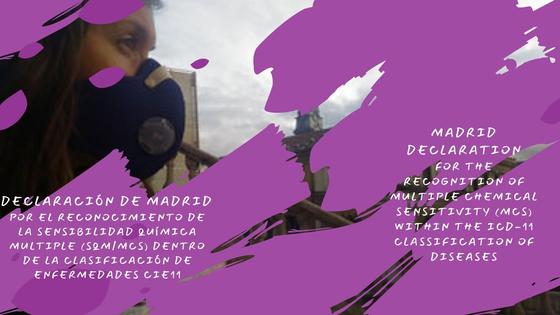
Incluyan la Sensibilidad Química Múltiple en el CIE-11 (OMS)
Coalición C.
creó esta petición para
Organización Mundial de la Salud / Ministerios de Sanidad
Con motivo del X Congreso Internacional de Medicina Ambiental celebrado en Marzo de 2026 en Madrid, se ha redactado esta "Declaración pública sobre la necesidad de incorporar
la Sensibilidad Química Múltiple (SQM/MCS) en la Clasificación Internacional de
Enfermedades CIE-11" que ya está firmada por investigadores, clínicos y asociaciones de pacientes de todo el mundo. APÓYANOS
As a result of the 10th International Congress of Environmental Medicine held in Madrid in March 2026, this "Public Declaration on the Need to Incorporate Multiple Chemical Sensitivity (MCS) into the International Classification of Diseases ICD-11" has been drafted and is already signed by researchers, clinicians, and patient associations worldwide. SUPPORT US
La Sensibilidad Química Múltiple (SQM), también conocida como Multiple Chemical Sensitivity (MCS), es una condición crónica caracterizada por la aparición reproducible de síntomas multisistémicos ante exposiciones a niveles bajos de sustancias químicas habituales en el entorno —como disolventes, pesticidas, productos de limpieza, fragancias, contaminantes del aire o materiales de construcción—, exposiciones que son aparentemente toleradas por la mayor parte de la población general, pero que producen una respuesta sintomatológica evaluable y que definen de forma clara un nuevo síndrome diagnóstico. A pesar de la evidencia clínica acumulada, del creciente cuerpo de literatura científica y del reconocimiento de la SQM por diversos sistemas sanitarios y marcos legales nacionales, esta condición no figura de manera explícita y adecuada en la Clasificación Internacional de Enfermedades, 11.ª revisión (CIE-11) de la Organización Mundial de la Salud. Esta omisión tiene consecuencias directas y graves para las personas afectadas. Consecuencias de la no inclusión en la CIE-11 La ausencia de un código diagnóstico específico para la SQM/MCS en la CIE-11:
Llamamiento a las autoridades sanitarias internacionales Por todo lo expuesto, los abajo firmantes instamos formalmente a la Organización Mundial de la Salud y a los comités responsables de la CIE-11 a:
Public declaration on the need to include Multiple Chemical Sensitivity (MCS) in the International Classification of Diseases, ICD-11
Multiple Chemical Sensitivity (MCS) is a chronic condition characterized by the reproducible onset of multi-system symptoms following exposure to low levels of common chemicals in the environment—such as solvents, pesticides, cleaning products, fragrances, air pollutants, or building materials. These exposures are tolerated by most of the general population, yet in affected individuals they trigger a measurable symptomatic response and clearly define a distinct diagnostic syndrome.
Despite the accumulated clinical evidence, the growing body of scientific literature, and the recognition of MCS by various healthcare systems and national legal frameworks, this condition is not explicitly and adequately represented in the World Health Organization’s International Classification of Diseases, 11th Revision (ICD-11). This omission has direct and serious consequences for people living with MCS.
Consequences of non-inclusion in ICD-11
The absence of a specific diagnostic code for MCS in ICD-11:
● Hinders official medical recognition and consistent diagnosis.
● Limits access to appropriate healthcare, environmental accommodations, and individualized treatments.
● Obstructs legal and administrative recognition of the condition, including disability determinations, sick leave, and social benefits.
● Prevents proper epidemiological surveillance, as well as the development of internationally comparable clinical and public-health research.
● Fosters stigma, trivialization of suffering, and the erroneous interpretation of the condition as exclusively psychological, contrary to current scientific evidence.
Scientific and clinical basis
MCS is a physical illness and is not attributable to psychological causes. It shows clinical and pathophysiological overlaps with other entities already recognized, such as myalgic encephalomyelitis/chronic fatigue syndrome, or fibromyalgia. Scientific studies describe alterations in key systems—neurological, immunological, endocrine, and detoxification pathways—as well as mechanisms of central and peripheral hypersensitization induced by environmental exposures.
The precautionary principle, evidence-informed clinical practice, and a human-rights-based approach require that this emerging health reality be acknowledged.
Call to international health authorities
For all the reasons set out above, the undersigned formally urge the World Health Organization and the committees responsible for ICD-11 to:
1. Include Multiple Chemical Sensitivity (MCS) as a distinct clinical entity, with a specific diagnostic code.
2. Ensure a clear definition based on clinical and scientific criteria that prevents reductive or stigmatizing interpretations.
3. Enable international diagnostic harmonization, epidemiological research, and the development of environmental prevention policies.
4. Recognize the funcional, social, and healthcare impact of MCS on millions of people worldwide.
THANKS
As a result of the 10th International Congress of Environmental Medicine held in Madrid in March 2026, this "Public Declaration on the Need to Incorporate Multiple Chemical Sensitivity (MCS) into the International Classification of Diseases ICD-11" has been drafted and is already signed by researchers, clinicians, and patient associations worldwide. SUPPORT US
La Sensibilidad Química Múltiple (SQM), también conocida como Multiple Chemical Sensitivity (MCS), es una condición crónica caracterizada por la aparición reproducible de síntomas multisistémicos ante exposiciones a niveles bajos de sustancias químicas habituales en el entorno —como disolventes, pesticidas, productos de limpieza, fragancias, contaminantes del aire o materiales de construcción—, exposiciones que son aparentemente toleradas por la mayor parte de la población general, pero que producen una respuesta sintomatológica evaluable y que definen de forma clara un nuevo síndrome diagnóstico. A pesar de la evidencia clínica acumulada, del creciente cuerpo de literatura científica y del reconocimiento de la SQM por diversos sistemas sanitarios y marcos legales nacionales, esta condición no figura de manera explícita y adecuada en la Clasificación Internacional de Enfermedades, 11.ª revisión (CIE-11) de la Organización Mundial de la Salud. Esta omisión tiene consecuencias directas y graves para las personas afectadas. Consecuencias de la no inclusión en la CIE-11 La ausencia de un código diagnóstico específico para la SQM/MCS en la CIE-11:
- Dificulta el reconocimiento médico oficial y el diagnóstico homogéneo.
- Limita el acceso a atención sanitaria adecuada, adaptaciones ambientales y tratamientos individualizados.
- Obstaculiza el reconocimiento legal y administrativo de la enfermedad, incluyendo incapacidades, bajas laborales y prestaciones sociales.
- Impide una correcta vigilancia epidemiológica, así como el desarrollo de investigación clínica y de salud pública comparables a nivel internacional.
- Favorece la estigmatización, la banalización del sufrimiento y la interpretación errónea de la enfermedad como un problema exclusivamente psicológico, en contra de la evidencia científica actual.
Llamamiento a las autoridades sanitarias internacionales Por todo lo expuesto, los abajo firmantes instamos formalmente a la Organización Mundial de la Salud y a los comités responsables de la CIE-11 a:
- Incorporar la Sensibilidad Química Múltiple (SQM/MCS) como entidad clínica diferenciada, con un código diagnóstico específico.
- Garantizar una definición clara, basada en criterios clínicos y científicos, que evite interpretaciones reduccionistas o estigmatizantes.
- Facilitar la armonización diagnóstica internacional, la investigación epidemiológica y el desarrollo de políticas de prevención ambiental.
- Reconocer el impacto funcional, social y sanitario de la SQM en millones de personas en todo el mundo.
Public declaration on the need to include Multiple Chemical Sensitivity (MCS) in the International Classification of Diseases, ICD-11
Multiple Chemical Sensitivity (MCS) is a chronic condition characterized by the reproducible onset of multi-system symptoms following exposure to low levels of common chemicals in the environment—such as solvents, pesticides, cleaning products, fragrances, air pollutants, or building materials. These exposures are tolerated by most of the general population, yet in affected individuals they trigger a measurable symptomatic response and clearly define a distinct diagnostic syndrome.
Despite the accumulated clinical evidence, the growing body of scientific literature, and the recognition of MCS by various healthcare systems and national legal frameworks, this condition is not explicitly and adequately represented in the World Health Organization’s International Classification of Diseases, 11th Revision (ICD-11). This omission has direct and serious consequences for people living with MCS.
Consequences of non-inclusion in ICD-11
The absence of a specific diagnostic code for MCS in ICD-11:
● Hinders official medical recognition and consistent diagnosis.
● Limits access to appropriate healthcare, environmental accommodations, and individualized treatments.
● Obstructs legal and administrative recognition of the condition, including disability determinations, sick leave, and social benefits.
● Prevents proper epidemiological surveillance, as well as the development of internationally comparable clinical and public-health research.
● Fosters stigma, trivialization of suffering, and the erroneous interpretation of the condition as exclusively psychological, contrary to current scientific evidence.
Scientific and clinical basis
MCS is a physical illness and is not attributable to psychological causes. It shows clinical and pathophysiological overlaps with other entities already recognized, such as myalgic encephalomyelitis/chronic fatigue syndrome, or fibromyalgia. Scientific studies describe alterations in key systems—neurological, immunological, endocrine, and detoxification pathways—as well as mechanisms of central and peripheral hypersensitization induced by environmental exposures.
The precautionary principle, evidence-informed clinical practice, and a human-rights-based approach require that this emerging health reality be acknowledged.
Call to international health authorities
For all the reasons set out above, the undersigned formally urge the World Health Organization and the committees responsible for ICD-11 to:
1. Include Multiple Chemical Sensitivity (MCS) as a distinct clinical entity, with a specific diagnostic code.
2. Ensure a clear definition based on clinical and scientific criteria that prevents reductive or stigmatizing interpretations.
3. Enable international diagnostic harmonization, epidemiological research, and the development of environmental prevention policies.
4. Recognize the funcional, social, and healthcare impact of MCS on millions of people worldwide.
THANKS
Publicado
(Actualizado )
Denunciar esto como inapropiado
Ha habido un error al subir tus archivos e/o informe.