
×
Sign the Petition Against Colonial Water Agreements
Center F.
started this petition to
UN
It is obvious that Ethiopia is the land of mankind, which is earmarked by 3.5 million years old fossil, Dinknesh (Lucy) in 1974, at the site of Hadar/ Ethiopia. Ethiopia is known as a land of diverse linguistic society. Carlo Conti Rossini's describes Ethiopia as "un museo di popoli "- a museum of peoples- characterized the evolution of multiethnic Ethiopian living through maintaining unity with diversity. Ethiopia is also the home of different religious faiths. According to Haggai Erlich who is a citizen of Israeli, coined Ethiopia as the land of religious peaceful coexistence. The first Hegira of Christianity took place in Ethiopia before Constantinople and Armenia. And also the first Hegira of Islam took place in Ethiopia before Mecca to Medina. Since the first quarter of the 7th century, Christianity and Islam religions met and communicated in Ethiopia; the followers of these religions have been celebrating their diversity and unity through inter-ethnic and inter-religious marriages and living together without any strife.
The victory of Ethiopian troops over the Italians colonial power at Adwa in 1896, orchestrated Ethiopia as un colonized state in Africa and also Ethiopia was represented as a symbol for the then colonized Africa and for all the oppressed black people in the entire world. Ethiopia also established a pan-African policy to liberate the black peoples and, called blacks to come to Ethiopia to struggle colonialism. Then peoples from 15 Caribbean and African American states come to Ethiopia and Emperor Haile Selassie of Ethiopia granted to them 200 hectares of land in Shashemene, nowadays known as “Jamaica sefer”. Because of Ethiopian integrity and cooperation, Marcus Garvey urged black people to see God in their own image, that is, “to see God through the spectacles of Ethiopia. Ethiopia is also the water tower of the horn of Africa. The world longest river Nile steams from Ethiopia. Over the entire year, about 86 percent of the Nile’s water originates from Ethiopia while Egypt consumes 86 percent of the water. It is not without reason; therefore, that the Greek historian Herodotus (c.486–425) called that “Nile is a gift of Ethiopia and Egypt is a gift of the Nile”.
Broadly speaking, international rivers are often the subjects of treaties providing for their shared use. According to the international water law, the riparian states of international waterway should use the waters in a "reasonable and equitable manner," and the obligation not to cause "significant harm," In doing so, the Nile basin countries—Burundi, Congo, Egypt, Ethiopia, Kenya, Rwanda, Sudan, Tanzania, and Uganda have agreed to unite in common pursuit of sustainable development and management of the Nile, since 1989. But, Egypt influenced the riparian states by different mechanisms to utilize the water as it was in the past. Beyond this, there have been meetings between the officials of Egypt and Ethiopia in particular, aimed at exploring the possibilities of cooperation to utilize the waters of the Blue Nile in equitable and reasonable way, between the two countries. While Ethiopia advocated the principle of negotiation on water sharing; Egypt has a strong stand to utilize alone by using its colonizer’s agreement.
For this reason, Egypt claimed Ethiopia to apply the 19th century, the colonial agreements. The first one was the 15 May 1902 Anglo-Ethiopian Treaty, on the Nile water issues which had made Egypt’s interests and did not allow Ethiopia, to construct anything on the Nile. But it was never ratified, either by the Ethiopian and the British Parliament. The second was the 1929 Agreement between Egypt and Britain. It stipulated that no irrigation or power works or measures are to be constructed or taken on the River Nile without British authorization, which would entail prejudice to the interests of Egypt. It argued that the agreements that made no reference to this fact could have no binding force. The last Agreement was the November 1959 between Egypt and Sudan on the division of the waters of the Nile. The agreement gave Egypt 75 percent of the waters of the river (i.e., 55.5 billion m3) and 25 percent to the Sudan (18.5 billion m3) while neglecting Ethiopia which is the source of Nile and 86% contributor of the river. Similarly, Ethiopia declined to recognize the Agreement.
Despite Ethiopia’s protest, Egypt went ahead with the construction of the Aswan High Dam. Then Egypt has brought some 800,000 feddans under permanent irrigation and village communities have been provided with a full water and electricity. To be sure, out of the ultimate irrigable land of some 5,000,000 hectares, Egypt has already managed to irrigate nearly 3,000,000 hectares. Paradoxically, Ethiopia not only utilize the Nile water equally with that of Egypt, but also it never utilizes the river for any purpose. Because of this xx% of the people of Ethiopia lives in severe poverty and above 60 percent of its citizens live without electric power. Entirely, Ethiopia had had no concrete irrigational schemes at this particular epoch in history. Instead, Egypt would never permit Ethiopia to exploit the waters of the Blue Nile.
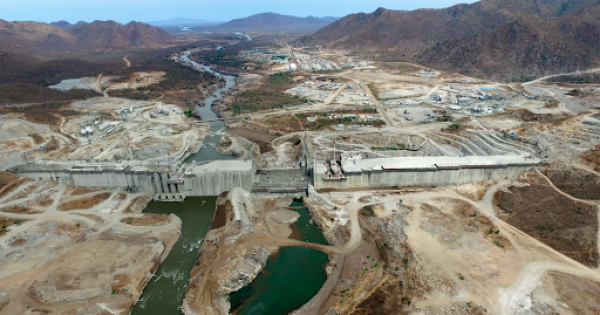
Even recently, Egypt has designed to open the way for 3,000,000 or more Egyptians eventually to populate a region that is now home to only some 250,000 without consulting any riparian states. Nowadays, the Ethiopia government has begun building a dam on the Nile River, which Ethiopians alone have been financing. Since we began the construction of the Great Ethiopia Renaissance Dam (GERD) on Nile River, Egypt has also started a wage of war on Ethiopia, the womb of the blue gold. But the dam is an Ethiopian dam, it is our blood! IT IS MY DAM! So it is impossible to colonize Ethiopia in the era of globalization; in reality, they know that we Ethiopians are never colonized.
To sum-up, the overall objectives of our petition are to inform the following key points to the community in the entire world.
IT IS MY DAM! It is my lifeblood!
The victory of Ethiopian troops over the Italians colonial power at Adwa in 1896, orchestrated Ethiopia as un colonized state in Africa and also Ethiopia was represented as a symbol for the then colonized Africa and for all the oppressed black people in the entire world. Ethiopia also established a pan-African policy to liberate the black peoples and, called blacks to come to Ethiopia to struggle colonialism. Then peoples from 15 Caribbean and African American states come to Ethiopia and Emperor Haile Selassie of Ethiopia granted to them 200 hectares of land in Shashemene, nowadays known as “Jamaica sefer”. Because of Ethiopian integrity and cooperation, Marcus Garvey urged black people to see God in their own image, that is, “to see God through the spectacles of Ethiopia. Ethiopia is also the water tower of the horn of Africa. The world longest river Nile steams from Ethiopia. Over the entire year, about 86 percent of the Nile’s water originates from Ethiopia while Egypt consumes 86 percent of the water. It is not without reason; therefore, that the Greek historian Herodotus (c.486–425) called that “Nile is a gift of Ethiopia and Egypt is a gift of the Nile”.
Broadly speaking, international rivers are often the subjects of treaties providing for their shared use. According to the international water law, the riparian states of international waterway should use the waters in a "reasonable and equitable manner," and the obligation not to cause "significant harm," In doing so, the Nile basin countries—Burundi, Congo, Egypt, Ethiopia, Kenya, Rwanda, Sudan, Tanzania, and Uganda have agreed to unite in common pursuit of sustainable development and management of the Nile, since 1989. But, Egypt influenced the riparian states by different mechanisms to utilize the water as it was in the past. Beyond this, there have been meetings between the officials of Egypt and Ethiopia in particular, aimed at exploring the possibilities of cooperation to utilize the waters of the Blue Nile in equitable and reasonable way, between the two countries. While Ethiopia advocated the principle of negotiation on water sharing; Egypt has a strong stand to utilize alone by using its colonizer’s agreement.
For this reason, Egypt claimed Ethiopia to apply the 19th century, the colonial agreements. The first one was the 15 May 1902 Anglo-Ethiopian Treaty, on the Nile water issues which had made Egypt’s interests and did not allow Ethiopia, to construct anything on the Nile. But it was never ratified, either by the Ethiopian and the British Parliament. The second was the 1929 Agreement between Egypt and Britain. It stipulated that no irrigation or power works or measures are to be constructed or taken on the River Nile without British authorization, which would entail prejudice to the interests of Egypt. It argued that the agreements that made no reference to this fact could have no binding force. The last Agreement was the November 1959 between Egypt and Sudan on the division of the waters of the Nile. The agreement gave Egypt 75 percent of the waters of the river (i.e., 55.5 billion m3) and 25 percent to the Sudan (18.5 billion m3) while neglecting Ethiopia which is the source of Nile and 86% contributor of the river. Similarly, Ethiopia declined to recognize the Agreement.
Despite Ethiopia’s protest, Egypt went ahead with the construction of the Aswan High Dam. Then Egypt has brought some 800,000 feddans under permanent irrigation and village communities have been provided with a full water and electricity. To be sure, out of the ultimate irrigable land of some 5,000,000 hectares, Egypt has already managed to irrigate nearly 3,000,000 hectares. Paradoxically, Ethiopia not only utilize the Nile water equally with that of Egypt, but also it never utilizes the river for any purpose. Because of this xx% of the people of Ethiopia lives in severe poverty and above 60 percent of its citizens live without electric power. Entirely, Ethiopia had had no concrete irrigational schemes at this particular epoch in history. Instead, Egypt would never permit Ethiopia to exploit the waters of the Blue Nile.
Even recently, Egypt has designed to open the way for 3,000,000 or more Egyptians eventually to populate a region that is now home to only some 250,000 without consulting any riparian states. Nowadays, the Ethiopia government has begun building a dam on the Nile River, which Ethiopians alone have been financing. Since we began the construction of the Great Ethiopia Renaissance Dam (GERD) on Nile River, Egypt has also started a wage of war on Ethiopia, the womb of the blue gold. But the dam is an Ethiopian dam, it is our blood! IT IS MY DAM! So it is impossible to colonize Ethiopia in the era of globalization; in reality, they know that we Ethiopians are never colonized.
To sum-up, the overall objectives of our petition are to inform the following key points to the community in the entire world.
- As we are a womb of Nile River, we are highly initiated to utilize our resource without the goodwill of anybody. Therefore, we are eager and committed to finalize the construction of the GERD by paying any needed scarification.
- In the journey of utilization of our given resource, our country has never intended to impose any significant harm to all riparian states.
- As we are the owner and involved Ethiopian intellectuals group, we wrote a stance to the world community, particularly, for a States which had been on side of our anti-colonial time, to recognize that the Ethiopian egalitarian commitment on the Nile water is like as a wage of contemporary anti colonialism. So we will never and ever accept neo-colonial tactics. That has ended up through the blood of our forefathers.
- We Ethiopians had been grew and fed by our ancestors as we have historical and socio-political ties through Nile River. This reminds us to call solidarity for our Egyptian brothers and sisters to clearly think and to come to fair, reasonable resource utilization and civilized dialogue instead of Nightmare scaremonger.
IT IS MY DAM! It is my lifeblood!
Posted
(Updated )
Report this as inappropriate
There was an error when submitting your files and/or report.